Where Black Mold Hides in North Beach Homes and How to Spot It
Black mold thrives in damp, poorly ventilated areas, and North Beach’s coastal humidity creates ideal conditions. Knowing where to look can help homeowners catch growth early—before it compromises air quality or structural integrity.
Why North Beach Homes Are Prone to Black Mold
The Chesapeake Bay’s humid, maritime climate means homes in North Beach, Owings, and Dunkirk face persistent moisture challenges. Warm, moist air condenses on cooler surfaces, feeding mold spores that are always present indoors.
Seasonal storms and high water tables in Calvert County can lead to water intrusion, especially in basements and crawl spaces. Even minor leaks or poor drainage can sustain hidden colonies over time.
Top 5 Black Mold Hotspots in Local Homes
Basements and crawl spaces top the list. Poor ventilation and concrete’s porous nature trap moisture, while sump pumps or French drains can fail silently, allowing water to pool.
Attics are another prime zone. Roof leaks, improper insulation, or blocked soffit vents create pockets of high humidity where mold can flourish on plywood, rafters, or insulation.
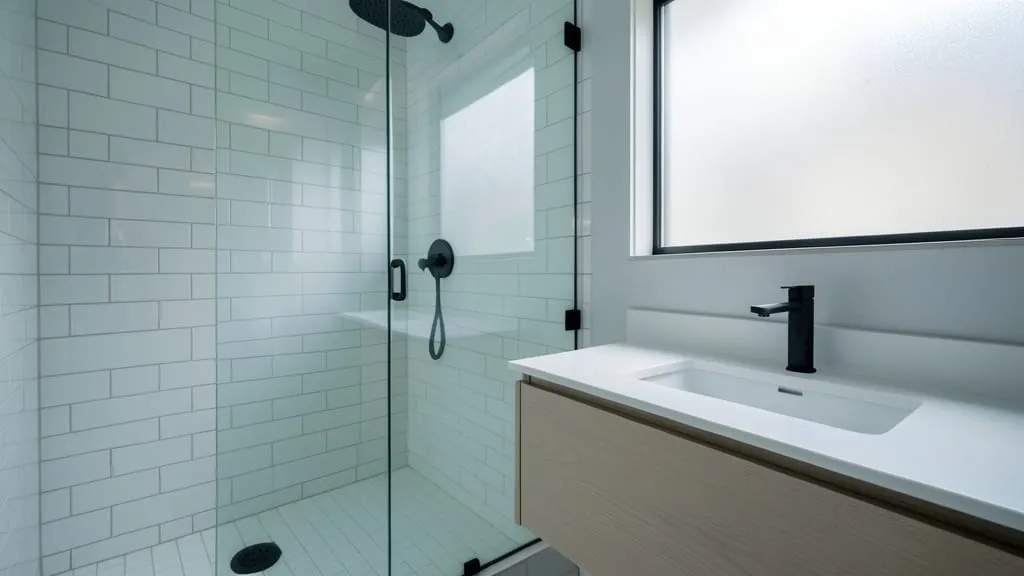
Bathrooms—especially those without exhaust fans—harbor mold behind tile, under sinks, and in grout. Shower pans with slow drains or leaking supply lines are common culprits in older homes near Chesapeake Beach or Rose Haven.
Kitchens often develop mold under sinks, behind refrigerators, or beneath dishwashers. A slow drip from a supply line or a clogged drain pan can go unnoticed for months.
HVAC systems can distribute spores throughout a home. Mold thrives in ductwork, drip pans, or on coils when condensation isn’t properly drained. Regular filter changes and system checks are critical in humid areas like Huntingtown or Prince Frederick.
| Area | Primary Cause | Signs to Watch For |
|---|---|---|
| Basement/Crawl Space | Water intrusion, poor ventilation | Musty odors, water stains, efflorescence on walls |
| Attic | Roof leaks, poor insulation, blocked vents | Dark stains on rafters, damp insulation, peeling paint |
| Bathroom | Lack of exhaust, plumbing leaks | Discolored grout, warped baseboards, persistent mildew smell |
| Kitchen | Leaky pipes, appliance drips | Soft cabinet floors, water under sink, mold on backsplash |
| HVAC System | Condensation buildup, dirty ducts | Reduced airflow, musty smell when system runs, visible mold on vents |
Hidden Mold: The Places You Might Overlook
Behind drywall is a frequent hiding spot, especially after plumbing leaks or flooding. Water can wick upward, leaving no surface clues until mold has spread extensively.
Inside wall cavities, particularly around windows or exterior walls, can trap condensation. Older homes in Deale or Friendship with single-pane windows are especially vulnerable.
Under carpeting and padding, mold can grow undetected. Spills, pet accidents, or moisture from concrete slabs can seep beneath, creating an ideal environment for Stachybotrys and other toxic species.
Within ductwork, mold can thrive on dust and debris. Without professional inspection, colonies may go unnoticed until occupants report respiratory issues.
Agitating black mold can release spores into the air, worsening contamination. Avoid scrubbing or blowing air on suspected areas until a professional assessment is complete.
Signs of Black Mold Beyond the Visible
Not all mold is visible. A persistent musty odor—often described as earthy or damp—can indicate hidden growth, even if no stains are present.
Health symptoms may also signal a problem. Occupants experiencing unexplained allergies, respiratory issues, or skin irritation might be reacting to airborne spores, common in poorly ventilated homes near Shady Side or Galesville.
Water damage doesn’t always mean mold, but it’s a red flag. Peeling paint, warped wood, or bubbling wallpaper can all point to moisture issues that could lead to mold if unaddressed.
How Humidity Fuels Mold Growth in Coastal Maryland
Relative humidity above 60% significantly increases mold risk. In North Beach, summer humidity often exceeds this threshold, especially in basements and crawl spaces without dehumidifiers.
Condensation forms when warm, moist air contacts cooler surfaces like ductwork, pipes, or windows. This is a common issue in homes near the water, from Tilghman Island to Calvert Beach.
Poor airflow exacerbates the problem. Closed-off rooms, cluttered storage areas, and blocked vents prevent moisture from dissipating, creating microclimates where mold thrives.
Use a hygrometer to track indoor humidity. Aim to keep levels between 30-50%. A dehumidifier in basements or crawl spaces can be a game-changer in Calvert County’s climate.
When to Call in a Mold Inspection
Visible mold covering more than 10 square feet warrants professional attention. Larger colonies often indicate a deeper moisture issue that DIY fixes won’t resolve.
After water damage—whether from a burst pipe, storm flooding, or a leaky roof—a thorough inspection is critical. Mold can begin growing within 24-48 hours of water exposure.
Before purchasing a home in North Beach, Owings, or Dunkirk, a mold inspection can uncover hidden problems. Older homes or those with a history of water issues are particularly high-risk.
If occupants report health symptoms that improve when away from the home, an inspection and air quality test can help identify mold or other indoor air contaminants.
Preventing Black Mold in a Humid Climate
Controlling moisture is the key to prevention. Fix leaks promptly, ensure proper drainage around the foundation, and use exhaust fans in kitchens and bathrooms.
Improve ventilation in high-risk areas. Open windows when weather permits, use fans to circulate air, and consider installing a whole-house dehumidifier in homes near Aquasco or Croom.
Regular maintenance helps catch issues early. Inspect roofs, gutters, and downspouts annually. Clean and dry water-damaged materials within 48 hours to prevent mold growth.
In crawl spaces, install a vapor barrier to block ground moisture. Encapsulation can further protect these areas, a common recommendation for homes in Baden or Prince Frederick.
Mold Prevention Checklist for North Beach Homeowners
- Inspect plumbing and appliances for leaks quarterly
- Use dehumidifiers in basements and crawl spaces
- Clean and dry water-damaged materials within 48 hours
- Ensure proper grading and drainage around the foundation
- Install and maintain exhaust fans in bathrooms and kitchens
- Monitor indoor humidity levels with a hygrometer
How to Safely Inspect for Black Mold in Your Home
A careful, methodical approach can help you identify potential mold issues without spreading spores.
- 1Gather Protective Gear
Wear an N95 respirator, gloves, and eye protection. Mold spores can be harmful if inhaled or touched.
- 2Start with a Visual Scan
Check common hotspots: basements, attics, bathrooms, kitchens, and around windows. Look for dark stains, discoloration, or water damage.
- 3Follow Your Nose
Musty odors often lead to hidden mold. Trace smells to their source, paying attention to areas behind furniture or under carpeting.
- 4Inspect for Moisture
Use a moisture meter to detect elevated levels in walls, floors, or ceilings. High readings can indicate hidden water issues feeding mold growth.
- 5Document Findings
Take photos and notes of any suspected mold or water damage. This information will be valuable for a professional assessment.
- 6Avoid Disturbing Suspected Mold
Do not scrub, sand, or blow air on moldy areas. Disturbing mold can release spores into the air, worsening contamination.
Frequently Asked Questions
Can black mold grow in newer homes in North Beach?
Yes. Even new construction can develop mold if moisture issues aren’t addressed. Poor ventilation, plumbing leaks, or improper grading can create conditions for growth in any home, regardless of age.
How can I tell if it’s black mold or just mildew?
Black mold (Stachybotrys) is typically dark green or black and has a slimy texture, while mildew is powdery and white or gray. However, lab testing is the only way to confirm the species. If in doubt, consult a mold inspection professional.
Is black mold more common in certain North Beach neighborhoods?
Areas closer to the water, like Chesapeake Beach or Rose Haven, may face higher humidity and storm-related water intrusion. Older neighborhoods in Owings or Dunkirk might have aging plumbing or foundations that increase risk.
What should I do if I find black mold in my rental property?
Document the issue with photos and notify the property manager or landlord immediately. In Maryland, landlords are typically responsible for addressing mold caused by structural or maintenance issues.
Can black mold return after remediation?
Yes, if the underlying moisture problem isn’t fixed. Effective remediation addresses both the mold and its source—whether that’s a leak, poor ventilation, or high humidity. Without this, mold can recur.
Are there local regulations for mold remediation in Calvert County?
Maryland does not have statewide mold remediation laws, but local guidelines may apply. For large or commercial projects, it’s wise to check with Calvert County Health Department or follow industry standards like those from the IICRC.